




Understanding the psychology behind casino winnings What influences your luck
The Role of Perception in Gambling
Your mental state and perception significantly shape your experience in a casino environment. When players enter a casino, they’re often surrounded by bright lights, captivating sounds, and a general aura of excitement. This sensory overload can create a perception that winning is more likely than in reality, leading to overconfidence. Additionally, to enhance their experience, some players seek out the best uk non gamstop casinos which offer a range of options. This cognitive bias can influence a player’s decisions, making them more inclined to take risks and play longer than initially planned.
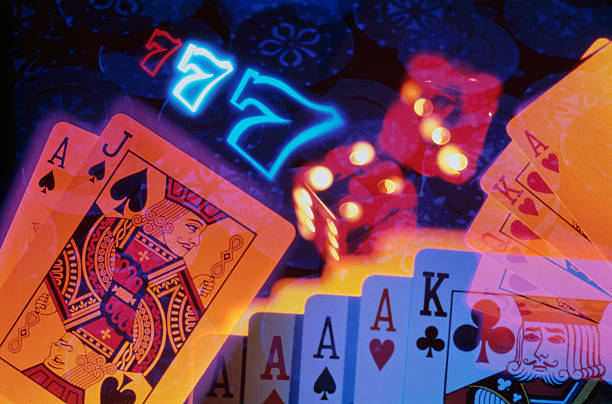
Furthermore, the phenomenon known as “the gambler’s fallacy” often plays a role in how players perceive their luck. This belief holds that past losses increase the likelihood of future wins. For instance, if a player has lost several rounds, they may believe a win is due, which can lead to a dangerous escalation in betting. Understanding these perceptions can help gamblers approach their gameplay more rationally, rather than being swayed by misleading psychological cues.
The Influence of Emotion on Decision-Making
Emotions can greatly impact gambling behavior, affecting not only the willingness to take risks but also the decisions made at critical moments. Positive emotions, like excitement following a win, can lead to impulse decisions. In contrast, negative emotions, such as frustration from losing, can prompt players to chase their losses, resulting in even more significant financial setbacks. This emotional rollercoaster is a powerful driver of behavior in casinos, often overriding logical thought.
Moreover, the concept of “tilt,” commonly discussed in poker, refers to the emotional state where frustration diminishes a player’s ability to make sound decisions. When experiencing tilt, a player is more likely to make irrational choices, believing that luck can be forced rather than understood. Recognizing and managing these emotional influences is crucial for anyone looking to maintain control while gambling.
The Impact of Social Environment
The social dynamics within a casino can also influence a player’s experience and perception of luck. Engaging with other players, whether through conversations or shared experiences, can enhance the thrill and excitement of gambling. This social reinforcement can create a false sense of camaraderie and shared luck, encouraging individuals to gamble more aggressively due to the perceived support of others.
Additionally, social pressure can lead to conformity in gambling behavior. If a group is winning, others may feel encouraged to continue playing, believing that the group’s energy will somehow influence their own luck. However, it’s essential to recognize that each individual’s outcome is determined by chance, and reliance on social cues can lead to poor financial decisions.
Understanding Randomness and Luck
The fundamental essence of gambling lies in chance and randomness, yet many players struggle to accept the inherent unpredictability of games. Understanding that each outcome is entirely independent is essential for developing a healthier relationship with gambling. Recognizing that luck is not something that can be influenced by past behavior allows players to make more strategic decisions rather than emotional ones.
It’s also vital to differentiate between skill-based games and purely luck-based games. While games like poker may involve a component of skill, many casino games are based solely on chance. Accepting this can help players set realistic expectations and avoid the pitfalls of assuming they can control their luck, ultimately leading to a more responsible gambling experience.

Exploring Responsible Gambling Measures
In light of the psychological factors influencing gambling behavior, it’s crucial to emphasize the importance of responsible gambling. Establishing limits before entering a casino can serve as a safeguard against the emotionally driven decisions that may occur during gameplay. Setting a budget, knowing when to walk away, and recognizing the signs of problem gambling can help maintain a positive experience.
Casinos and gambling platforms also increasingly provide resources and support for responsible gambling. This includes self-exclusion programs, access to educational materials on gambling addiction, and tools for tracking spending. By fostering an environment that encourages informed gambling practices, both players and establishments can work together to mitigate the negative psychological impacts of gambling.
